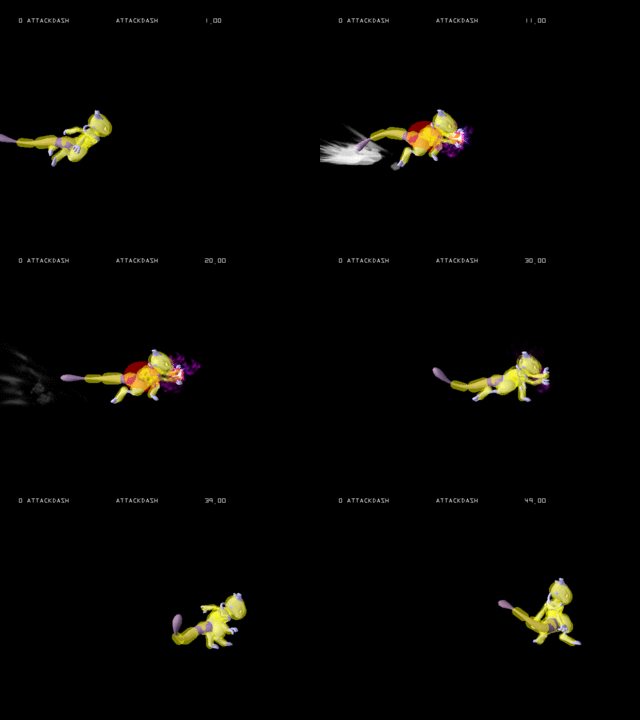
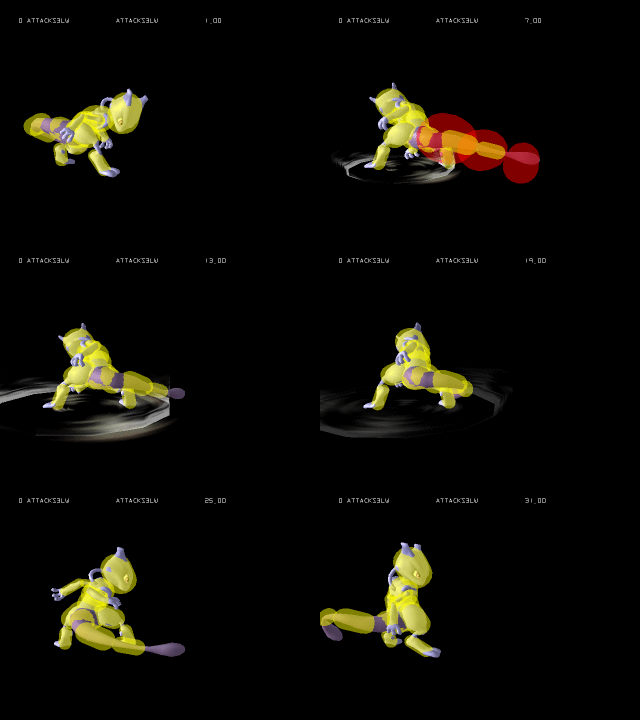
Frame Data – Dash Attack

Total Frames: 49
Active: 10-29
IASA: 38

Frame 10-15
Damage (Unstaled) – All: 9%

Angle – Hands: 80°
Angle – Body: 110°
Base Knockback – All: 80
Knockback Growth – All: 60

Element: Shadow

Frame 15-29
Damage (Unstaled) – All: 6%

Angle – Hands: 80°
Angle – Body: 110°
Base Knockback – All: 40
Knockback Growth – All: 60

Element: Shadow

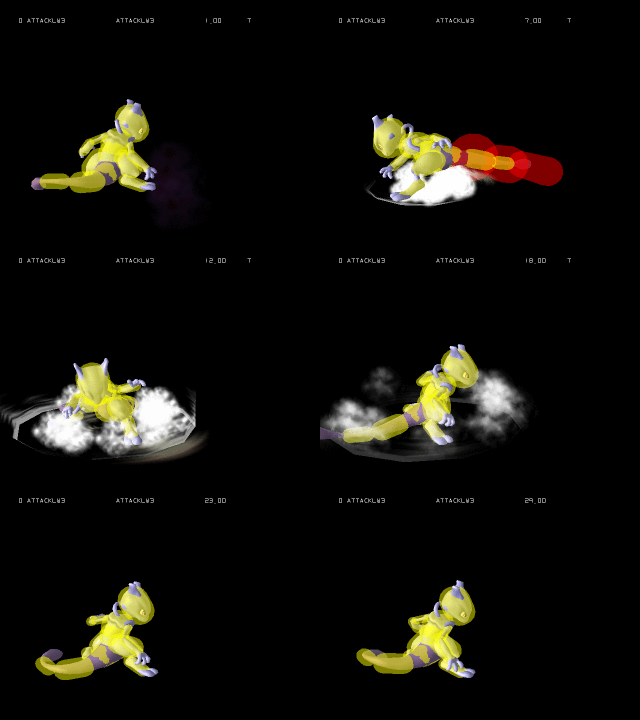
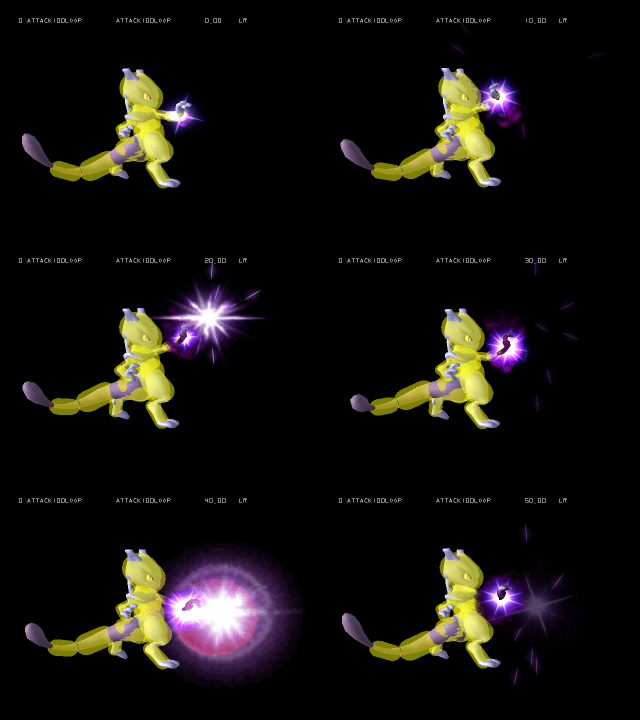
Frame Data – Up Tilt

Total Frames: 31
Active: 6-11
IASA: 28

Frame 6
Damage (Unstaled) – Tip: 5%
Damage (Unstaled) – Center: 6%
Damage (Unstaled) – Base: 8%
Damage (Unstaled) – Body: 10%

Angle – Tip: 361° (Sakurai)
Angle – Rest: 110°
Base Knockback – Tip, Body: 0
Base Knockback – Center, Base: 70
Knockback Growth – Tip: 80
Knockback Growth – Center, Base: 114
Knockback Growth – Body: 115

Element: Normal

Frame 7-11
Damage (Unstaled) – Tip: 5%
Damage (Unstaled) – Center: 6%
Damage (Unstaled) – Base: 8%
Damage (Unstaled) – Body: 10%

Angle – All: 78°
Base Knockback – Tip: 40
Base Knockback – Center: 50
Base Knockback – Base, Body: 60
Knockback Growth – All: 114

Element: Normal

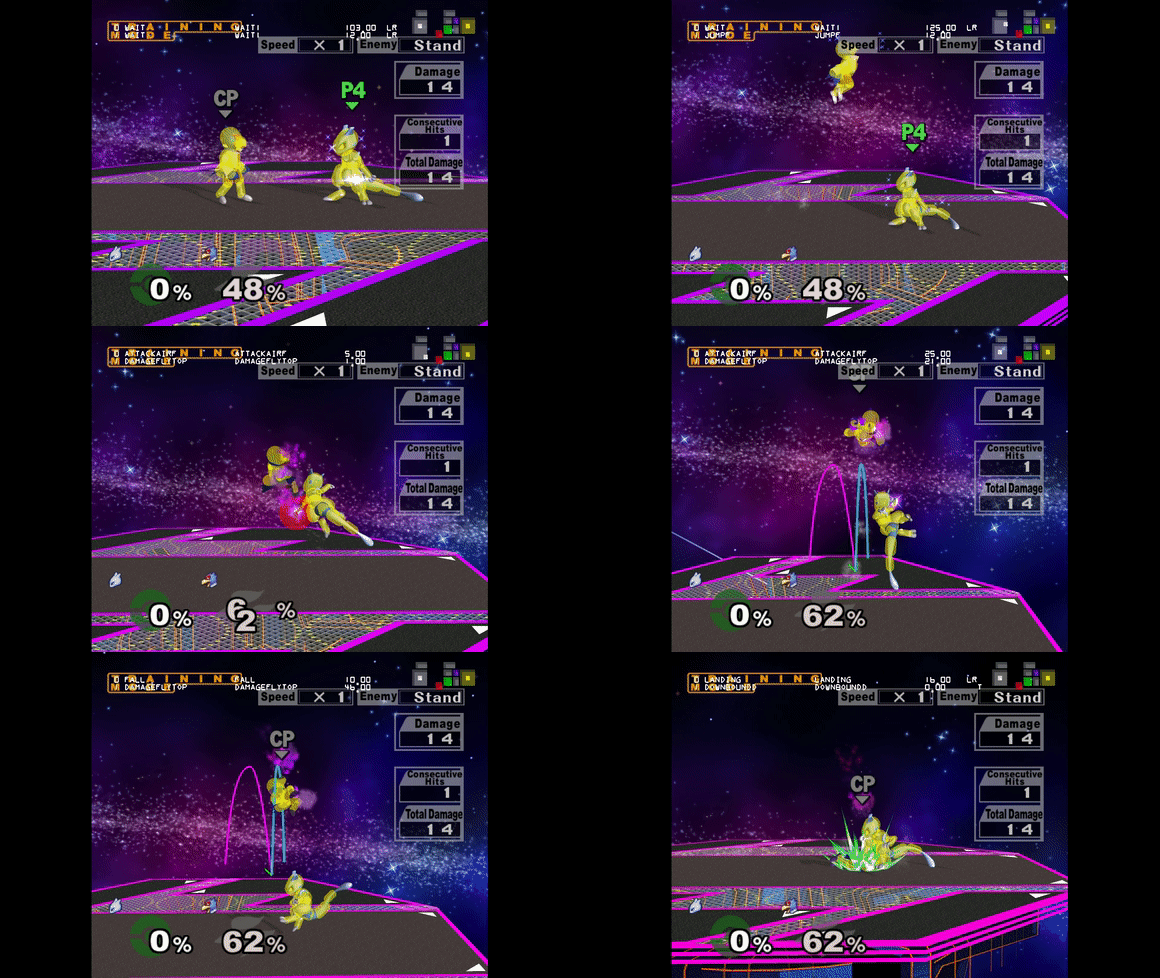
Waveland after Ledge-Cancel

Examples at 0:17, 1:34 and 1:57

Frame 0

Frame 1

Frame 3

Ledge Cancel

Double Jump

Waveland

Every frame missed between the Ledge-Cancel and the Double Jump also increases the waiting time between Double Jump and Waveland.

It’s not Mewtwo specific, but Mewtwo’s fast aerial drift, slow falling speed and low traction all enable easy Ledge-Cancels and long Wavelands, so it’s easy for him to abuse the tech.

The tech is versatile and improves Mewtwo’s platform movement and pressure drastically if executed well, but it’s still largely unexplored.

The application with Neutral Aerial, as demonstrated in the video, leads to strong follow up options, most notably against Floaties. Follow up options include Up Tilt, which sets up further juggling, Forward Air which also sets up further juggling and Forward Tilt to knock the opponent off stage.